Gas Line Repair Missouri City TX
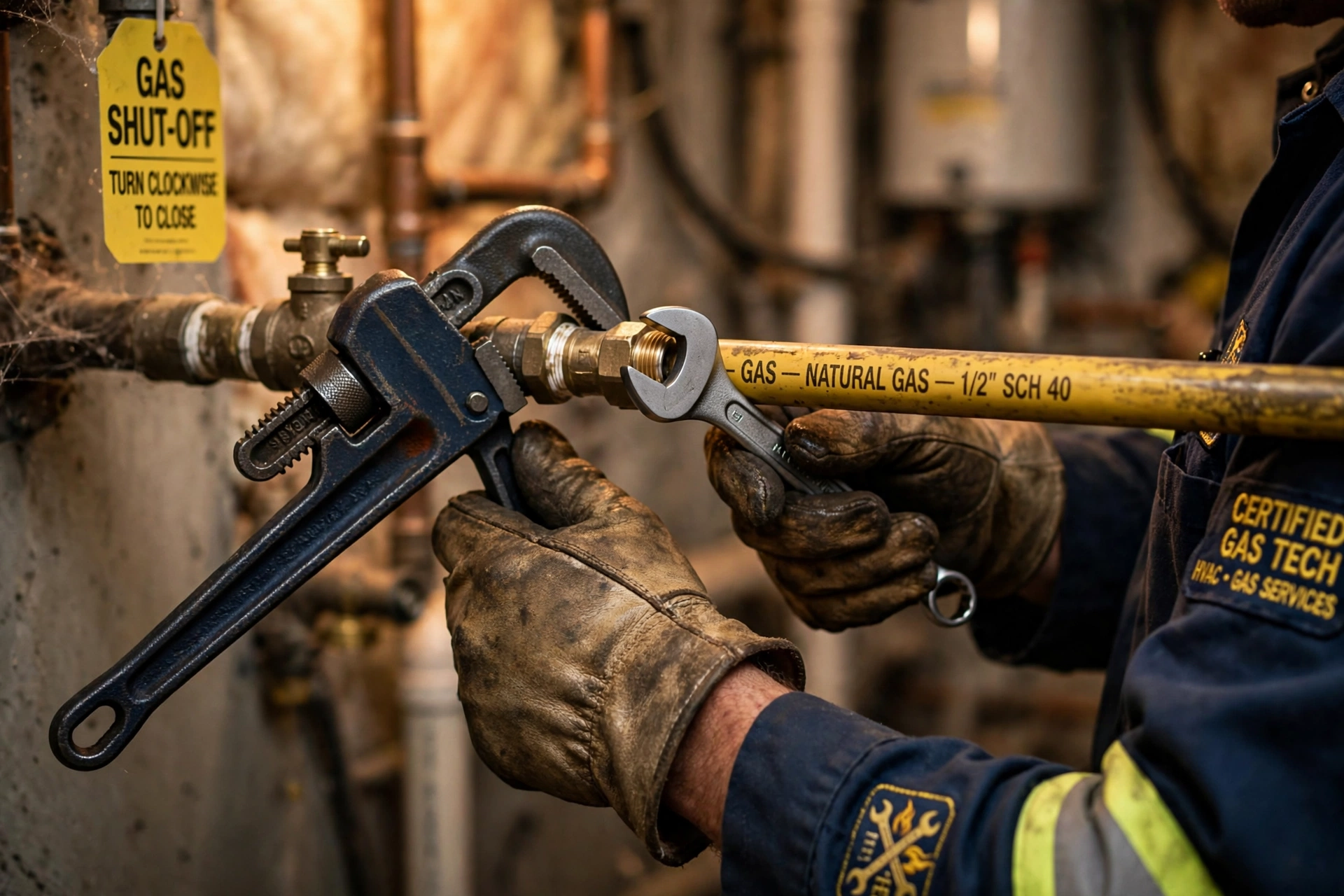
From Quail Valley to Sienna, Gas Line Repair Missouri City TX handles the gas line work that keeps homes and businesses running safely. We plan every repair, installation, and inspection around what actually wears gas lines down here: Fort Bend County clay soil that shifts with every wet-dry cycle, Gulf Coast humidity that never gives metal a break, and hurricane seasons that flood yards and batter outdoor piping.
- Safety-first workmanship
- Upfront estimates
- Prompt scheduling
- Urgent calls welcome
Safety-first
Safety-first workmanship
Clear pricing
Upfront written estimates
Urgent response
Prompt scheduling
Free estimates
Free estimates across Missouri City
Local
Missouri City based
Gas Line Repair Built for Missouri City Conditions
Gas Line Repair Missouri City TX handles repairs, installations, and inspections for homes and businesses across the city. Working out of 2209 Texas Pkwy, we plan every job around the local forces that stress gas lines: expansive clay soil that heaves after Gulf downpours and shrinks in dry spells, year-round humidity that accelerates corrosion at fittings, and storm seasons that test every outdoor run.
We serve established neighborhoods like Quail Valley, Lake Olympia, and Hunters Glen as well as master-planned communities like Sienna and Riverstone. Whether your home is a 1980s ranch running its original steel piping or a newer build on CSST, we assess the system as it is, explain your options in plain language, and recommend only the work it actually needs.
Fort Bend
County focused
Gulf Coast
Climate aware
(281)
Call for a free estimate
Gas Line Services for Missouri City Homes & Businesses
Every service below is shaped by Southeast Texas realities — shifting clay soil, high humidity, and hurricane-season exposure — so your gas system stays sound through every season.
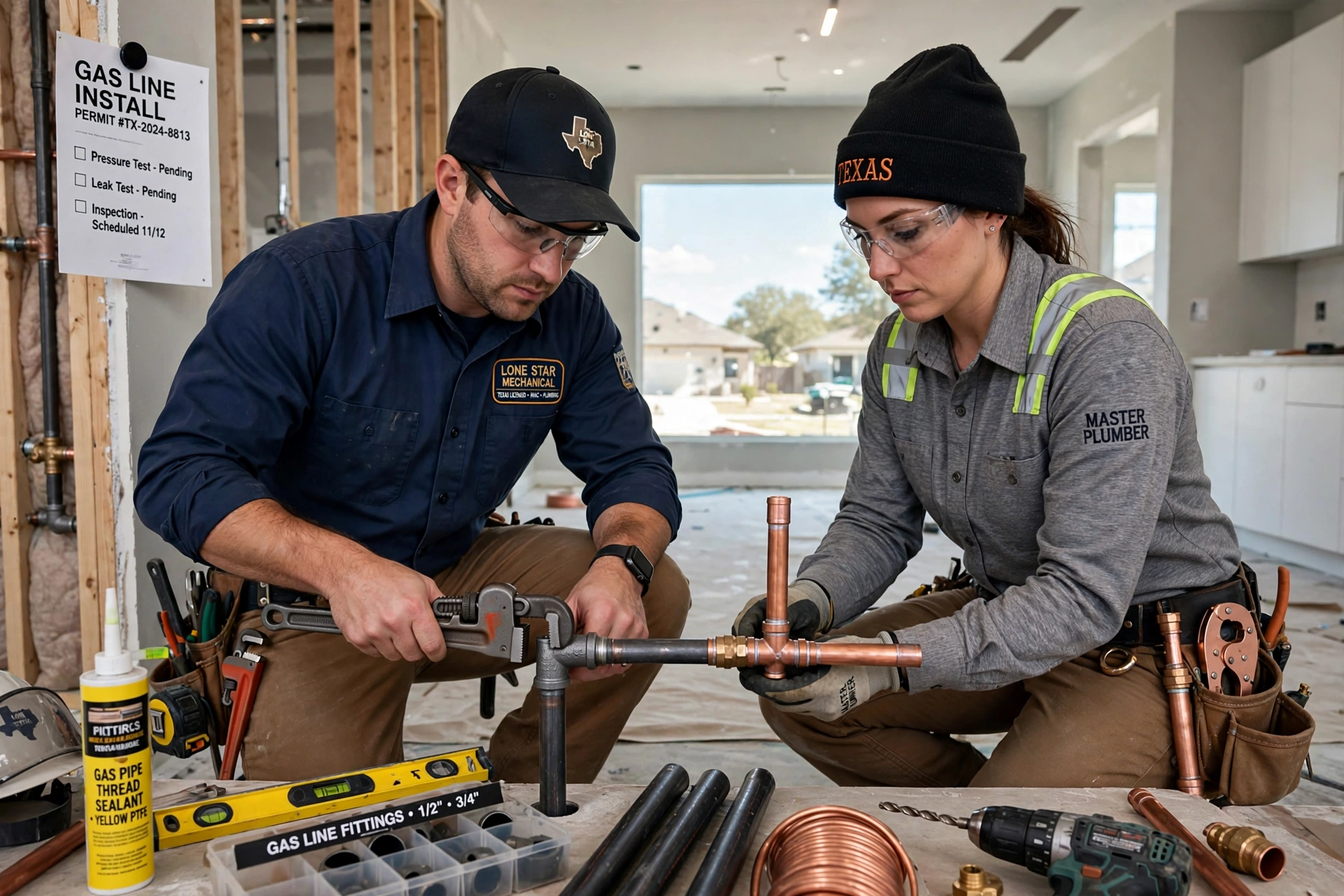
Gas Line Installation
View Details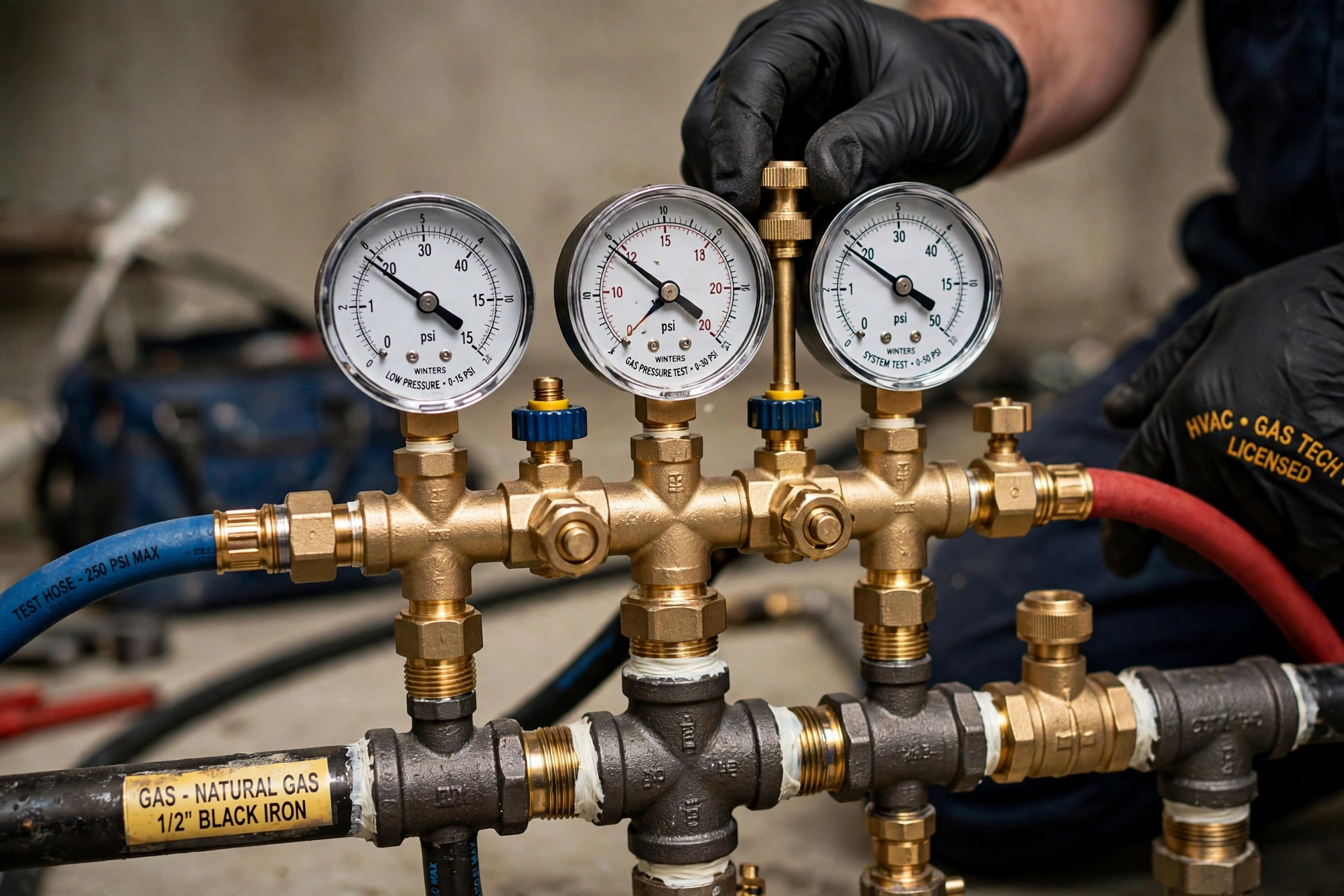
Gas Line Inspection
View Details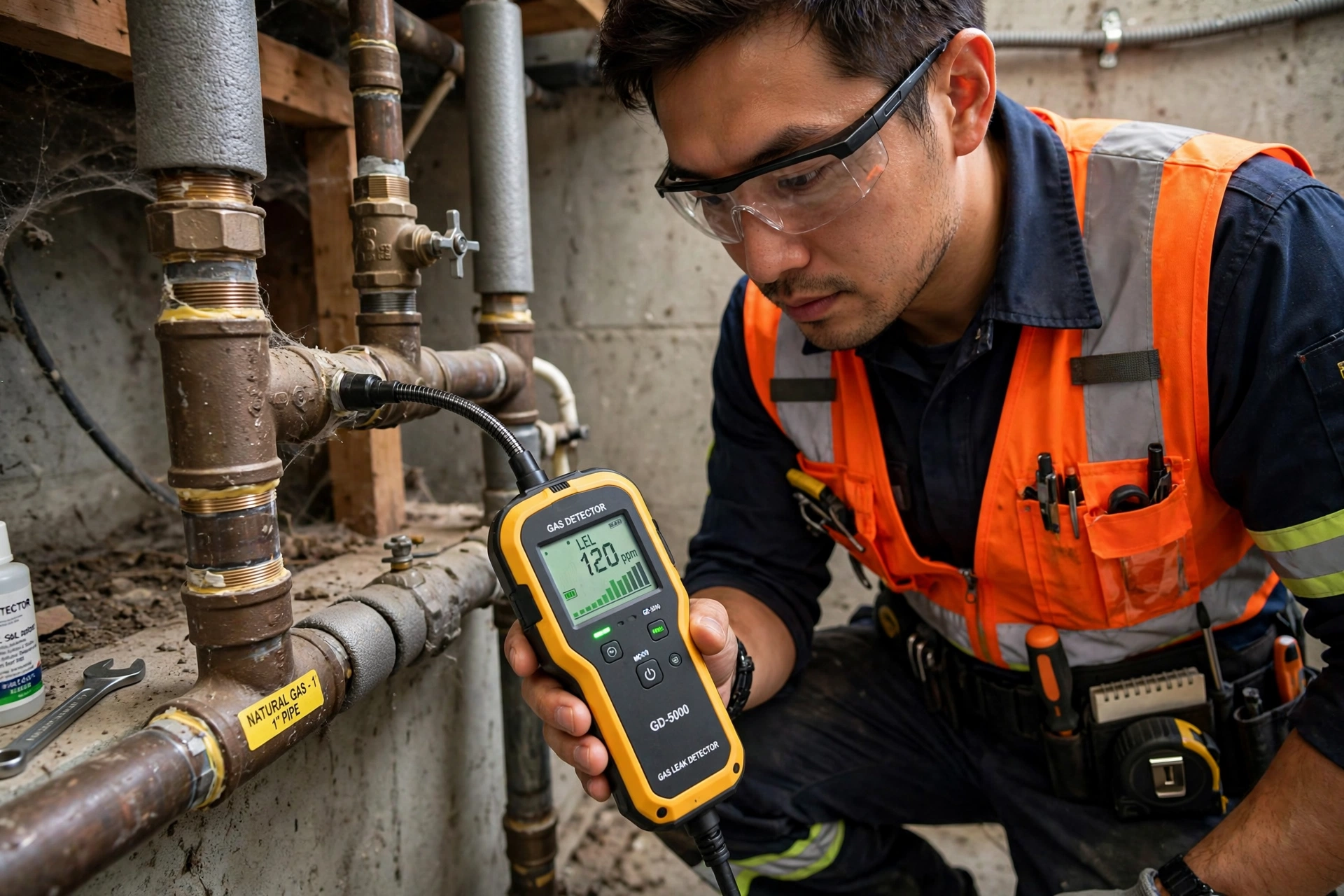
Gas Leak Detection
View Details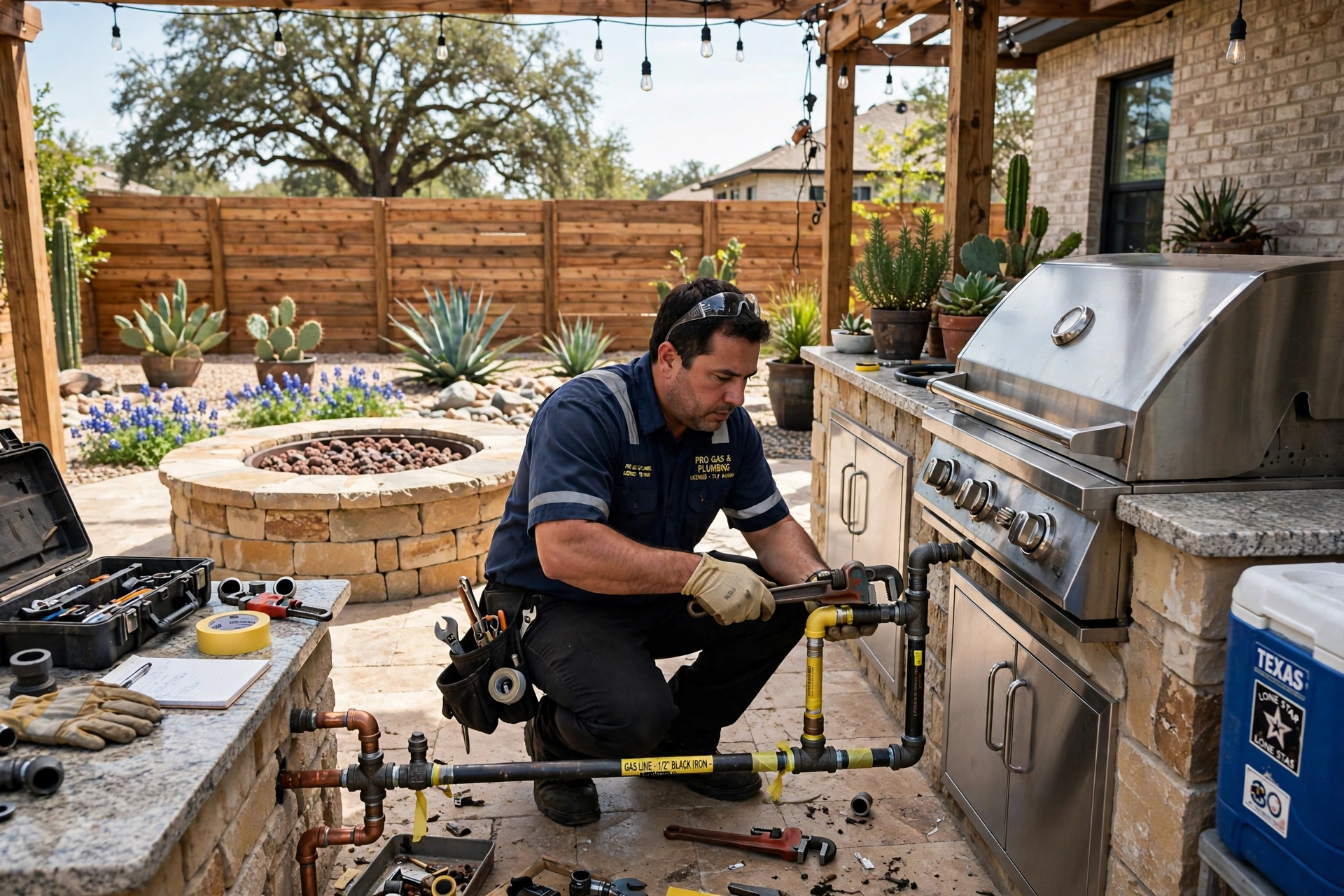
Gas Appliance Hookup
View Details
Fort Bend CountyMissouri City, TXHouston MetroGulf CoastTexasLocally Operated
Why Missouri City Homeowners Call Us for Gas Lines
Gas work is unforgiving, so we run every job on careful diagnostics, clear communication, and respect for your home.
-
Safety-first technicians Every gas call is a safety call first. We diagnose with electronic detection and pressure gauges, show you what we find, and explain your options in plain terms — recommending only work the system genuinely needs.
-
Prompt, honest scheduling Gas problems cannot wait, and we do not make you wait. Urgent calls from Missouri City get priority scheduling, and our trucks carry the detection and testing gear to diagnose most issues on the first visit.
-
Straightforward estimates You get a written estimate before work begins — what we will do, what it involves, and what it costs. No surprises on the invoice, and no pressure to decide on the spot.
Free
Written estimates on every gas line job — no obligation and no surprises.
What to Expect: How Our Estimates Work
Every property is different, so we do not price from a menu. Here is what each type of visit typically covers — call (281) 343-3759 for a free written estimate on your specific job.
Leak Diagnosis Visit
Free estimate on every visit
- Leak assessment
- Minor leak repairs
- Safety inspection
- Written findings report
Standard Installation
Free estimate on every project
- New line installation
- Pressure testing
- Code compliance review
- Written findings report
Complete System Overhaul
Free estimate on every project
- Full system replacement
- Advanced leak detection
- Code compliance review
- Written findings report
How a Gas Line Visit Works
A clear, no-guesswork process — the same whether you are in Quail Valley, Sienna, or off Texas Parkway.
01
On-site assessment
We walk the system with you, note what you have smelled, heard, or seen, and check the meter, visible piping, and appliance connections for the first clues — including the corrosion and soil-shift patterns common in Fort Bend County.
02
Written estimate
You get a written estimate spelling out what we found, what we recommend, and what it involves — before any work starts. Ask questions; we will answer them straight.
03
Careful repair work
We repair or replace the affected sections with proper materials and joint methods for the application, keeping the work area clean and your home undisturbed throughout.
04
Pressure test & walkthrough
We pressure-test the repaired piping, restore service, and walk you through what was done — including pointing out your shut-off valves if you do not already know where they are.
Gas Line Problems We See Most in Missouri City
Fort Bend County soil and Gulf Coast weather create repeat patterns. These are the calls we run most often.
01
Leaks at aging joints and fittings
Decades of humidity corrode threaded joints, and shifting clay soil flexes buried lines until pinholes open. We trace leaks with electronic detection, replace the compromised section, and pressure-test the system before restoring service.
02
Appliance connections that will not stay tight
Dryers, ranges, and water heaters work connections loose over years of vibration and foundation movement. We refit them with proper connectors and individual shut-off valves, then verify pressure at each appliance.
03
Low pressure starving your appliances
Undersized or partially blocked lines leave burners weak and water heaters slow to recover. We measure pressure at each appliance, find the restriction or sizing issue at its source, and correct it.
Common Calls We Handle Across Missouri City
A snapshot of the gas line calls our crew runs most often across Missouri City — from urgent odor reports to planned upgrades.
Rotten-egg odor reported in a Quail Valley kitchen. We isolated the branch line, traced the leak to a corroded fitting with electronic detection, completed the repair, and pressure-tested the branch before restoring service.
1
Gas odor response
Urgent call protocol
New gas range going into a Sienna home. We ran a dedicated line from the manifold, added an accessible shut-off valve, and verified steady pressure at the appliance before the first burner lit.
2
Range hookup
Planned installation
Suspected yard-line leak in Lake Olympia after heavy rain. Shifting clay soil had stressed a buried joint — we located it, replaced the section with properly bedded pipe, and restored the grade.
3
Buried line repair
After storm-season rain
Outdoor kitchen and fire pit for a Riverstone backyard. We trenched a dedicated underground run at proper depth with tracer wire, stubbing up exactly where the builder needed it.
4
Outdoor gas line
New construction tie-in
Pre-purchase inspection on a 1990s home off FM 1092. We found a slow leak at the water heater connector and flagged aging steel piping the buyers had us replace before closing.
5
Buyer inspection
Older steel piping
Furnace would not stay lit in Hunters Glen during a cold snap. Low manifold pressure traced to a partially blocked sediment trap — cleaned, retested, and heat restored on the same visit.
6
No-heat diagnosis
Pressure & flow check
Service Area
Gas Line Repair Coverage Across Missouri City & Fort Bend County
Prompt appointments for homes and businesses across Fort Bend County, including these local ZIP codes:
774597748977479
Frequently Asked Questions about Gas Line Repair Missouri City TX
Here are some common questions we receive about gas line services in Missouri City.
How much does gas line repair cost in Missouri City?
Repair scope depends on the pipe material, how much of the line is accessible, and whether it is a spot repair or a full replacement. We provide a free written estimate on site before any work begins, so you know exactly what is involved.
Where can I find gas line installation services near me in Missouri City?
Call a local gas line specialist directly — for Missouri City and nearby Fort Bend County communities, reach us at (281) 343-3759 for a free estimate.
What should I do if I smell gas in Missouri City?
Leave the area right away without flipping switches or using phones near the odor. From a safe distance, call 911 or your gas utility first, then call us at (281) 343-3759 so we can inspect and repair the line once the immediate danger is cleared.
How to choose the best gas line repair service in Missouri City?
Look for a company with real local experience, written estimates, and a solid reputation in the Missouri City community. Ask how they diagnose leaks and whether they pressure-test after every repair.
Are there any emergency gas line services in Missouri City?
Yes — urgent gas line calls in Missouri City get priority scheduling. If you smell gas, leave the area first and call from a safe distance; we will take it from there.
Need Gas Line Help in Missouri City?
From urgent odor calls to planned installations, our crew is ready to help. Call now for a free estimate and prompt scheduling.
Get in Touch
Tell us what is going on with your gas line and we will get back to you promptly during business hours.
Gas Line Repair Missouri City TX
-
Phone
(281) 343-3759 -
Address
2209 Texas Pkwy, Missouri City, TX 77489
-
Hours
Mon–Fri: 7AM – 7PM
Sat: 8AM – 4PM
Sun: Urgent calls only
Urgent calls welcome anytime
Gas Line Safety: What Missouri City Homeowners Should Know
Natural gas heats, cooks, and powers appliances in homes from Quail Valley to Sienna — and most days you never think about the piping behind the walls. But Southeast Texas is hard on gas lines: expansive clay soil flexes buried pipe with every wet-dry cycle, Gulf humidity corrodes exposed fittings, and hurricane seasons flood yards and batter outdoor runs. Knowing what strains your system — and what the early warning signs look like — is the simplest way to protect your home.
Signs Your Gas Line May Need Attention
A rotten-egg smell is the classic warning — utilities add mercaptan to odorless natural gas so leaks announce themselves. Treat any gas odor as urgent: leave the area and call for help from a safe distance. Quieter clues matter too: hissing near a meter or appliance, a patch of dead grass over a buried line, pilot lights that keep going out, or a gas bill that climbs with no change in usage. In our humidity, also watch for rust or green corrosion blooming on exposed fittings.
Why Missouri City Soil Matters for Buried Gas Lines
The clay soil under much of Missouri City swells after Gulf Coast downpours and shrinks in dry stretches — and that movement never stops. Buried gas lines ride it for decades, which stresses joints and opens pinhole leaks in older steel pipe. Many local homes date to the 1980s through early 2000s, so a large share of yard lines here are 25 to 40 years old. If your home is in that range, a professional inspection can tell you whether your line is holding up or living on borrowed time.
What To Do If You Suspect a Leak
Get out first and stay out — do not hunt for the leak, flip switches, or start a car in the garage. From a safe distance, call 911 or your gas utility so the immediate hazard is handled. Once the gas is shut off and the area is cleared, a gas line specialist can run electronic leak detection and pressure testing to pinpoint the exact source, replace the damaged section, and verify the whole system holds pressure before service is restored.
Understanding Your Home's Gas Piping System
Gas reaches your home through a buried service line from the street to the meter, usually mounted on an exterior wall. From the meter, interior piping branches to the furnace, water heater, range, dryer, and outdoor equipment like grills, fire pits, or pool heaters. Each major appliance should have its own shut-off valve so one branch can be serviced without cutting gas to the whole house — if you do not know where yours are, ask us to point them out on our next visit.
Common Pipe Materials in Local Homes
Homes built before the 2000s around Missouri City typically run black steel pipe — tough, but threaded joints corrode over decades in our humidity, especially in attics and crawl spaces. Newer construction and remodels often use corrugated stainless steel tubing (CSST): flexible and quick to install, but it must be properly connected to the home’s grounding system to guard against electrical damage. During hurricane season, give extra attention to outdoor and elevated runs, which take the brunt of wind-driven rain and debris.
When Replacement Makes More Sense Than Repair
One isolated leak on an otherwise healthy system is a straightforward repair. Replacement starts making sense when an inspection finds corrosion at multiple joints, a line that has already been patched more than once, or piping that no longer matches current code. It is also the right call during a remodel, when adding a high-BTU appliance like a pool heater or outdoor kitchen, or when converting from electric to gas. A hands-on assessment weighs the system’s age, its condition, and your plans — then gives you a straight recommendation.