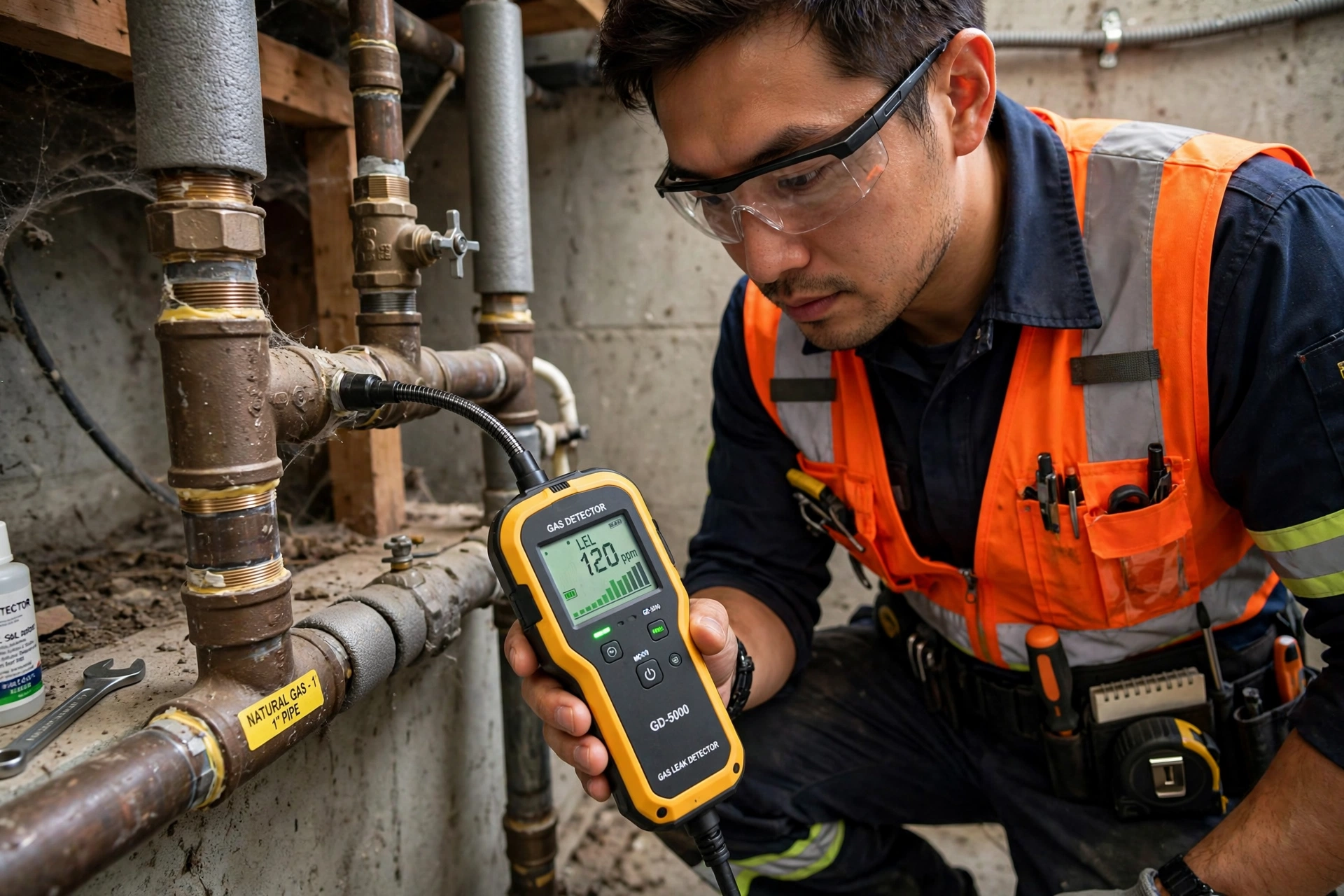
Thorough Inspections
We conduct detailed inspections to identify any issues with your gas lines, ensuring that all potential problems are addressed.
Our gas line repair service includes comprehensive inspections, repairs, and necessary replacements to ensure your gas lines are safe and functional.
We conduct detailed inspections to identify any issues with your gas lines, ensuring that all potential problems are addressed.
Our team specializes in repairing leaks, using high-quality materials to ensure a long-lasting solution.
We ensure all repairs comply with local codes and safety regulations, providing peace of mind for homeowners.
After repairs, we perform safety tests to ensure your gas lines are leak-free and functioning correctly.
Two features of Alvin shape underground gas line work more than anything else: the clay soil and the distances involved. Clay expands when wet and shrinks when dry, and that seasonal movement works on buried pipe year after year — stressing joints, shifting lines, and holding moisture against steel that is already prone to corrosion. It is one of the main reasons original steel service lines in town reach the end of their life when they do.
The second factor is distance. On rural properties along SH-35 and FM 517, gas lines run long: from a meter at the road to a house set hundreds of feet back, or from a propane tank to multiple buildings spread across acreage. Every extra foot adds material, trenching, and potential failure points — and makes professional line location essential when something goes wrong, because the route is almost never where anyone assumes it is.
Agricultural history matters too. Alvin's transition from farmland to residential means some lines cross ground that was tilled, ditched, or driven over for decades before a house ever stood there. Old field lines, abandoned piping from farm operations, and undocumented branches can complicate a dig — which is why we locate carefully and dig with respect for what might be down there.
The takeaway for homeowners is simple: underground gas lines in Alvin live harder lives than the piping inside your walls. They deserve periodic inspection, especially if your home is older, your property is large, or you have no record of when the buried lines were installed.
New gas line installation in Alvin covers the full range: indoor appliance additions, outdoor living projects, lines to barns and workshops, propane system work, and complete systems for additions and new construction. Every project starts the same way — with engineering. We calculate the total load, verify the meter or tank supply can carry it, and design the routing before any pipe goes in. The most expensive gas line is the one that has to be redone.
Indoor installations are the most frequent: adding a gas range, converting a water heater to gas, installing a gas dryer, or extending a line for a remodeled kitchen. In Alvin's older in-town homes, we often find the existing system needs modest upsizing to serve a new appliance comfortably — a straightforward step when it is planned from the start rather than discovered mid-project.
Outdoor installations follow the Texas pattern: outdoor kitchens, fire features, patio heaters, and pool equipment. On rural properties, add the outbuilding work — gas to the barn, the shop, the detached garage. Each gets proper load calculation, underground distribution where needed, and individual shutoffs so every structure stands on its own.
Propane installations are common outside the natural gas main coverage. We run lines from the tank location to the home and any outbuildings, size the system for the tank's delivery pressure and the property's total load, and coordinate the gas work with the tank setting. Whether your property runs on natural gas or propane, the engineering discipline is the same.
Gas leak detection in Alvin follows our systematic process, adapted to the area's housing mix. Whether the property is a 1960s in-town home or a rural spread on FM 517, the method is the same: confirm, isolate, pinpoint, repair, verify.
Confirmation comes from pressure testing — pressurizing the system and watching for drop. This tells us whether a leak exists and how significant it is, separating a real leak from a misbehaving appliance or a misread bill.
Isolation narrows the search: indoor versus outdoor, branch by branch. In an older Alvin home with decades of modifications, this step is essential — the piping layout may match no plan on paper, and systematic testing is the only reliable way through the maze. On acreage, isolation also means separating the house run from the branches to barns and workshops so we know which segment is losing pressure.
Pinpointing uses electronic detection for indoor joints and line location plus acoustic equipment for underground runs. The goal is always to find the exact failure point with minimal disruption — a small excavation, a targeted wall opening, not exploratory demolition across a half-acre lot.
01
What we do: Contact us immediately for gas line repair in Missouri City. Our technicians will locate and fix the leak quickly.
→ This ensures your home is safe and eliminates the risk of gas exposure.
02
What we do: Our team will inspect the gas lines and connections to identify any issues affecting performance.
→ You'll enjoy improved efficiency and reliability from your gas appliances.
03
What we do: We provide gas line servicing in Missouri City to ensure safe and efficient installations.
→ This guarantees that your new appliances operate safely and effectively.
Gas Line Repair in Missouri City requires an understanding of local building codes and common issues faced by residents. The humid climate can lead to corrosion in gas lines, making regular inspections essential. Our team is familiar with the unique challenges of the area, ensuring effective and compliant repairs. With gas line servicing in Missouri City, we address issues promptly to maintain safety and efficiency.
Bridlewood
This neighborhood often experiences gas line issues due to older infrastructure.
Parker Square
Residents here benefit from our prompt gas line repair services, especially during extreme weather.
Lake Forest
We provide thorough inspections to ensure safety in homes with aging gas lines.
High humidity levels in summer
This can accelerate corrosion in gas lines, necessitating regular inspections and repairs.
Frequent temperature fluctuations in winter
These fluctuations can lead to pipe expansion and contraction, increasing the risk of leaks.
Our gas line repair services address common issues that can pose risks to your home and family.
Problem
Ignoring gas leaks can lead to dangerous situations, including explosions or health hazards from inhalation.
Our Fix
Our team quickly identifies and repairs leaks, ensuring your gas lines are safe and compliant with local regulations.
Problem
Faulty connections can lead to inefficient appliance operation and increased energy costs.
Our Fix
We repair and replace faulty connections, improving appliance efficiency and reducing energy bills.
Problem
Pressure drops can affect appliance performance, leading to inadequate heating or cooking.
Our Fix
We diagnose and fix pressure issues, ensuring your gas appliances operate at optimal levels.
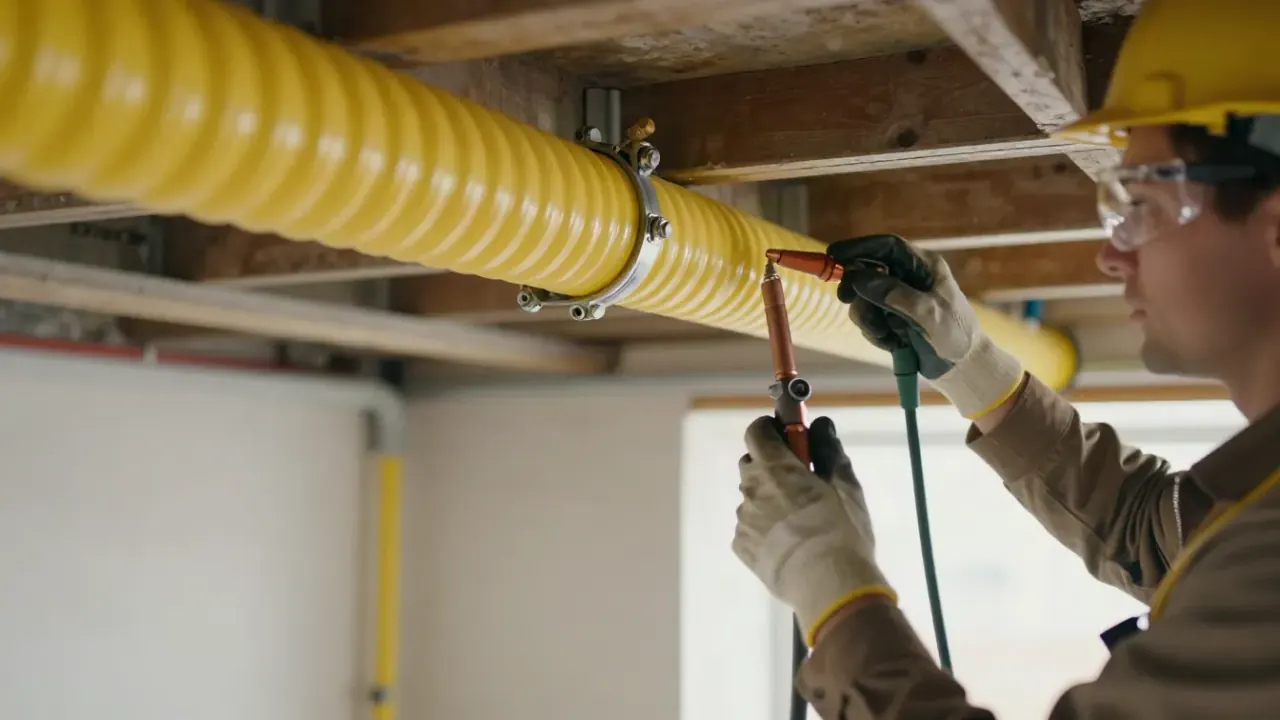
Investing in gas line repair offers numerous advantages that enhance safety and efficiency.
Enhanced Safety
Regular gas line repair significantly reduces the risk of dangerous gas leaks. By addressing potential issues early, homeowners can prevent hazardous situations and ensure their family's safety.
Increased Efficiency
Properly functioning gas lines improve the efficiency of your appliances. This can lead to lower energy bills and a more effective heating system, especially during the colder months in Missouri City.
Longer Lifespan
Timely gas line servicing in Missouri City can extend the lifespan of your gas appliances. By addressing wear and tear, you ensure that your systems function optimally for years.
Compliance with Codes
Gas line repairs ensure compliance with the National Fuel Gas Code (NFGC) and local regulations. This is crucial for avoiding fines and ensuring your home passes inspections.
Gas line repair costs in Missouri City typically range from $180 to $450 in 2026, depending on the complexity of the repair. Factors such as the extent of damage, materials used, and labor involved can affect the final price. Our transparent pricing ensures you know what to expect before we start any work.
Typical Investment Range
$180 - $450 depending on scope
Our pricing reflects the quality of service and materials used, ensuring long-lasting repairs.
What changes the price
Extent of Damage
More extensive damage requires more materials and labor, increasing costs.
Materials Used
The type of piping and fittings required can impact the overall repair cost.
Labor Intensity
Complex repairs that require more time and expertise will cost more.
Google ★★★★★4.9
Quick response and professional service! They fixed my gas leak within hours. Highly recommend!
Yelp ★★★★★4.8
Excellent service! The team was knowledgeable and friendly. They explained everything clearly.
BBB ★★★★★4.7
Very satisfied with the gas line repair. They were prompt and thorough in their work.
With local experience in gas line repair, our team is equipped with the necessary skills and certifications to handle any gas-related issue.
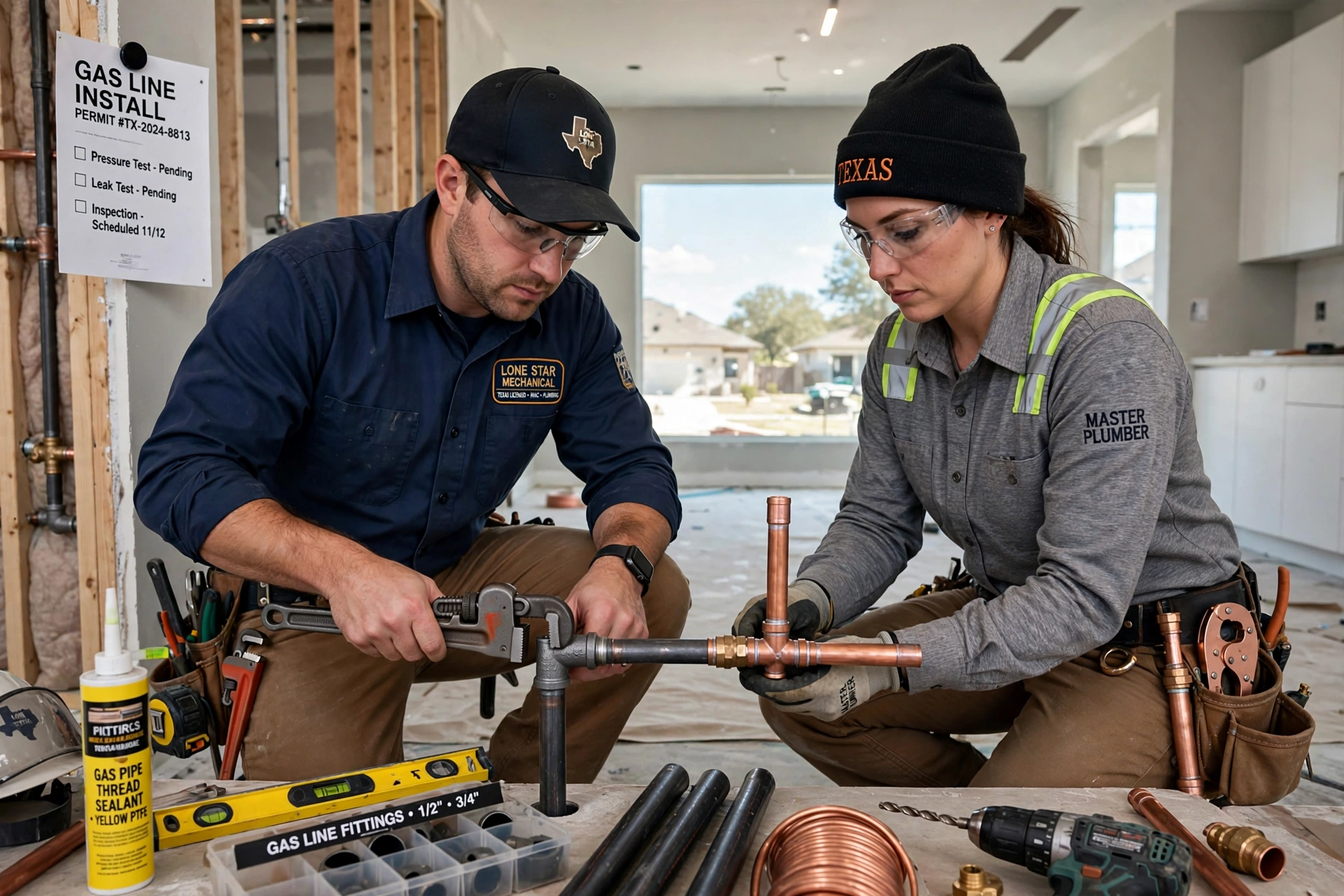
Real experiences from customers who chose our Gas Line Repair services.
“I had a gas leak in my home, and the team responded quickly. They were professional and resolved the issue within hours. Highly recommend!”
Sarah T.
Homeowner, Missouri City
“Their gas line repair service was excellent. They explained everything and worked efficiently. I felt safe knowing my gas lines were in good hands.”
Mark L.
Business Owner, Lewisville
“I appreciated their 24/7 emergency service. When I had a problem late at night, they were there within an hour. Great service!”
Emily R.
Resident, Highland Village
Cost depends on several factors. The scope of the work is the biggest one: a single indoor repair on an accessible line is a modest job, while replacing a long underground run on acreage — with hundreds of feet of trenching through clay soil — is a much larger project. Material choices matter too: modern polyethylene for underground work, black iron or CSST indoors, each with different installed costs. Access affects the total as well: an open pasture trench is straightforward, while a line routed under a driveway, patio, or mature landscaping takes more labor. Permits and inspections add a known, fixed component. The honest way to price any of this is on-site: we assess your property, explain what the job involves, and give you a written estimate before any work begins — so you know exactly what drives the number.
Yes — in-town Alvin homes from the 1950s through the 1970s are a big part of our work. After fifty-plus years, original steel systems show predictable wear: corrosion on buried service lines, loosening threaded joints indoors, and branches that were modified piecemeal through decades of remodels. We start with a full-system pressure test to establish the true condition, then recommend either targeted repairs or a strategic update — replacing the underground steel with polyethylene and updating accessible indoor piping. We will lay out both options so you can decide.
Absolutely. Much of our Alvin-area work happens on the rural outskirts — acreage, farms, and homes along SH-35 and FM 517. We run and repair long underground gas lines, branch service to barns, workshops, and outbuildings, and work with propane systems where natural gas mains do not reach. We also coordinate gas trenching with well lines, septic systems, and other utilities, and we are used to the realities of country properties: long runs, equipment traffic, and lines that cross open ground.
The classic signs: rotten-egg gas odor near appliances or outdoors, hissing sounds at joints or the meter, dead vegetation in a strip along the underground pipe route, and gas bills that climb without increased usage. In Alvin's clay soil, watch for new odors after heavy rains — soil movement can stress already-weakened buried lines. Propane users should watch for tanks that empty faster than expected. Any of these signs means the system should be checked professionally.
Gas line installations and major repairs or replacements in Alvin typically require permits and inspections through the city — and properties in unincorporated Brazoria County fall under county requirements. We will let you know exactly what your specific project requires and make sure the work is ready to pass inspection.
Start by noting when it happens — which appliances are running, whether the smell is constant or intermittent, and where it is strongest. Do not try to find the leak yourself. For a strong indoor odor, leave the house and call for emergency help from outside. For fainter or outdoor odors, call us for professional leak detection. We will pinpoint the source and repair it.
Our gas line installation service ensures your new gas lines are installed safely and comply with local codes, providing reliable service for your home.
View Gas Line InstallationRegular gas line inspections help identify potential issues before they become serious problems, ensuring the safety and efficiency of your gas systems.
View Gas Line InspectionOur gas leak detection service uses advanced technology to locate leaks quickly, preventing hazardous situations and ensuring your home's safety.
View Gas Leak DetectionWe provide professional gas appliance hookup services, ensuring your appliances are connected safely and function optimally for your home.
View Gas Appliance HookupWe're here to help you with your gas line needs. Reach out during business hours for quick responses and assistance.
Phone
(281) 343-3759Address
2209 Texas Pkwy, Missouri City, TX 77489, USA, Missouri City, Texas
Hours
Mon–Fri: 7AM – 7PM
Sat: 8AM – 4PM
Sun: Emergency Only
24/7 Emergency Available