Gas Line Repair Missouri City TX
Get Estimate
Browse Services
Service Areas
Call (281) 343-3759

Commercial Gas Line Services in Missouri City, TX

Gas piping for Missouri City businesses, built around your hours


From family taquerias off Highway 6 to offices along Texas Parkway, Missouri City businesses run on gas — and commercial gas work is a different animal than residential. Bigger BTU loads, stricter code enforcement, health-department inspections, and one rule that matters above all: the work has to happen without shutting your business down.

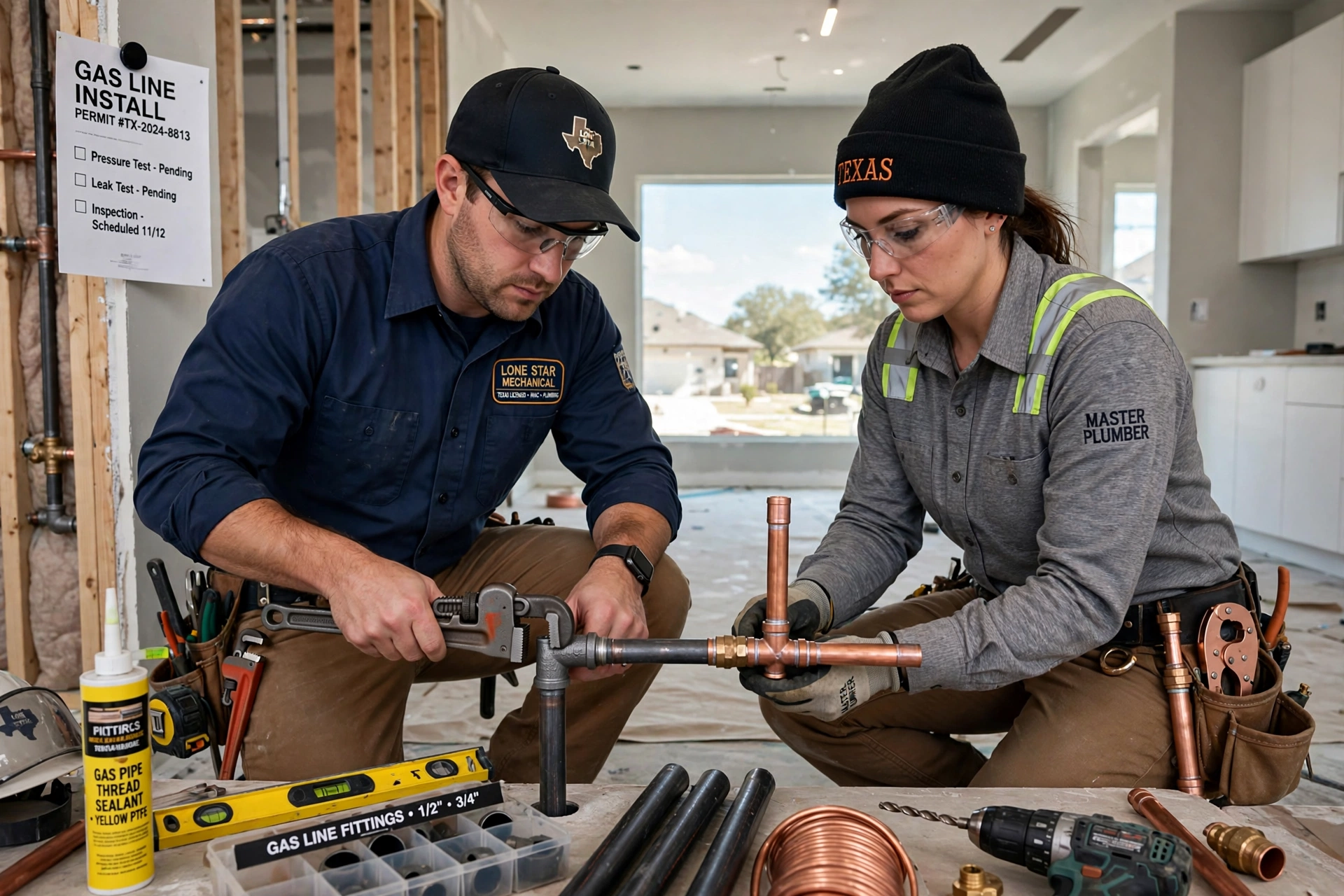
Gas Line Repair in Missouri City: licensed gas fitter applying pipe thread sealant to a new galvanized steel elbow fitting
Licensed Licensed & Bonded
Fully Insured Insured & Bonded
24/7 Emergency Same-Day Response
Warranty Backed Workmanship Guaranteed in Missouri City

Commercial Gas Work Is a Different Trade

Restaurants, retail, offices, and multi-unit properties across Missouri City depend on gas systems that carry heavier loads than any home — and the work has to fit around business hours, not the other way around.

A home might have a range, a water heater, and a dryer sharing one modest gas line. A restaurant has wok burners, fryers, and ovens pulling hard all dinner rush. A strip-center building has multiple tenants on shared risers. The pipe sizing, meter capacity, and regulator setup that keep those systems fed are commercial-grade decisions, and getting them wrong shows up as equipment that starves for gas right when you need it most.

Then there is the regulatory side. Commercial gas piping in Fort Bend County answers to building departments, fire marshals, and — for food service — health inspectors. Permits are not optional, inspections are not casual, and documentation matters when you sell the building or renew a lease. We handle the permit paperwork and schedule the inspections so the project moves without you chasing city offices.

And underneath it all is the Gulf Coast itself. Outdoor commercial piping — rooftop runs, patio heater feeds, fenced-in meter banks — lives in year-round humidity that corrodes fittings and in storm seasons that flood yards and batter exposed pipe. We specify materials and supports for those conditions, not for a catalog climate.

Commercial Gas Work We Handle

Every commercial project starts with a site survey and a load calculation — we size the system to what your equipment actually draws, then build it to code.

Restaurants & Food Service

Kitchens are the heaviest gas users in town — wok ranges, charbroilers, fryers, and ovens running in combination. We size lines for peak simultaneous load so the fryer does not steal gas from the range mid-rush, and we schedule the work for closed hours or slow days.

Retail & Office Buildings

From small offices with a single water heater to retail strips with multiple tenant spaces, we install, repair, and upgrade the piping, meters, and regulators that keep the building running — with permits and inspections handled.

Multi-Unit Properties

Apartment and condo buildings run on shared risers, master meters, and long branch runs. We inspect and repair these systems and coordinate access across occupied units so managers are not herding tenants for days.

Warehouses & Light Industrial

Unit heaters, process equipment, and large make-up air systems need high-volume, correctly regulated gas. We design runs for long distances and high BTU demand without pressure drop at the far end.

Meters, Regulators, and Sizing: Where Commercial Jobs Are Won

Every commercial gas job starts upstream, at the meter. Commercial meters are sized to the building's total connected load, and the gas utility — not us, not you — determines the meter size and service pressure from your equipment list. When a restaurant adds a second fryer line or a building converts water heating, the meter often needs upsizing too, and that means utility coordination and lead time. We flag it early so it never becomes a surprise mid-project.

Regulators do the quiet work downstream. Gas arrives from the utility at higher pressure than any appliance wants, and regulators step it down — usually in two stages on commercial systems, with a service regulator at the meter and line or appliance regulators fine-tuning pressure for specific equipment. When a regulator drifts or fails, the symptoms look mysterious: flames that will not stay lit, ovens that cycle oddly, equipment that works fine at lunch and struggles at dinner. We diagnose regulator problems with gauges, not guesses, and set replacements to the pressure your equipment actually requires.

Sizing ties it together. Pipe that is one size too small for a commercial kitchen does not fail loudly — it starves equipment at peak load, which reads as 'the new oven never worked right.' We run the load math before we cut pipe, so the system feeds everything at once on the busiest night of the year.

How a Commercial Gas Project Runs

Commercial work lives or dies on planning. Here is the sequence we follow so your business keeps running while the gas work gets done.

01

Site survey and load calculation

We walk the building, inventory every gas appliance with its BTU rating, and check the existing pipe, meter, and regulators. You get a written scope that names exactly what changes and why — no vague allowances.

02

Permits and utility coordination

We pull the building permit and coordinate with the gas utility if the meter or service needs upsizing. Inspection appointments get booked before work starts, not after.

03

Off-hours scheduling

Restaurants get overnight or closed-day windows. Offices get weekends. Retail gets early mornings before opening. Materials are pre-staged so the shutdown window is measured in hours, not days.

04

Installation and phased cutover

Larger projects are phased so only part of the system is down at a time. Temporary water heating can bridge a replacement where needed. You know the exact shutdown times in advance.

05

Inspection, testing, and documentation

The finished work is pressure-tested, inspected, and documented. You keep the permit card, the test record, and an as-built sketch — the paperwork future buyers, insurers, and inspectors will ask for.

Commercial Gas Problems We Solve

Missouri City businesses call us when gas trouble threatens operations. These are the patterns we see most.

Problem

New equipment starved for gas

The kitchen added a fryer and now everything runs weak at dinner rush. The existing line and meter were sized for the old equipment list — we recalculate the load and upgrade the pipe, regulators, or meter capacity to match.

Our Fix

The fix starts with the BTU math, not a bigger pipe on a hunch. We show you the load calculation, then upgrade exactly what the numbers say is short — and coordinate any utility-side meter work.

Problem

Failed inspection holding up an opening

A health-department or building inspection flagged the gas piping and the opening date is on the line. We read the correction notice, fix each item to code, and get the re-inspection scheduled fast.

Our Fix

We have seen most of the common write-ups — improper supports, missing shutoffs, unprotected piping — and we correct them the way inspectors expect to see them.

Problem

Rooftop and exterior piping corroding

Years of Gulf humidity have eaten the exposed gas piping feeding rooftop units or patio heaters. We replace the corroded sections with properly coated and supported pipe rated for exterior exposure.

Our Fix

Replacement includes the details that prevent a repeat: correct hangers, protective coating, and drip legs where condensate collects.

Problem

Multi-tenant building with chronic complaints

One tenant's equipment affects another's, or nobody can get a straight answer about who owns which pipe. We map the system, separate the loads properly, and give the property manager documentation that ends the finger-pointing.

Our Fix

Clear as-builts and labeled shutoffs turn a mystery system into a manageable one.

Hurricane Season and Business Continuity

Every Gulf Coast business owner thinks about storm season, and gas systems deserve a place in that planning. Before hurricane season, commercial properties should have their outdoor gas piping inspected — loose supports, corroded fittings, and unsecured meter banks are the things that fail when water rises and wind hits. A pre-season inspection is cheap insurance against a post-storm shutdown.

After a major storm, do not just turn everything back on. Floodwater shifts buried lines, debris damages exposed piping, and buildings that took water need their gas systems pressure-tested before service is restored. We run post-storm commercial inspections across the Missouri City area, document what we find, and get you a clear go/no-go on restoring service. If your business lost gas during an evacuation, call us before the utility reconnects — a verified system restores faster than a questionable one.

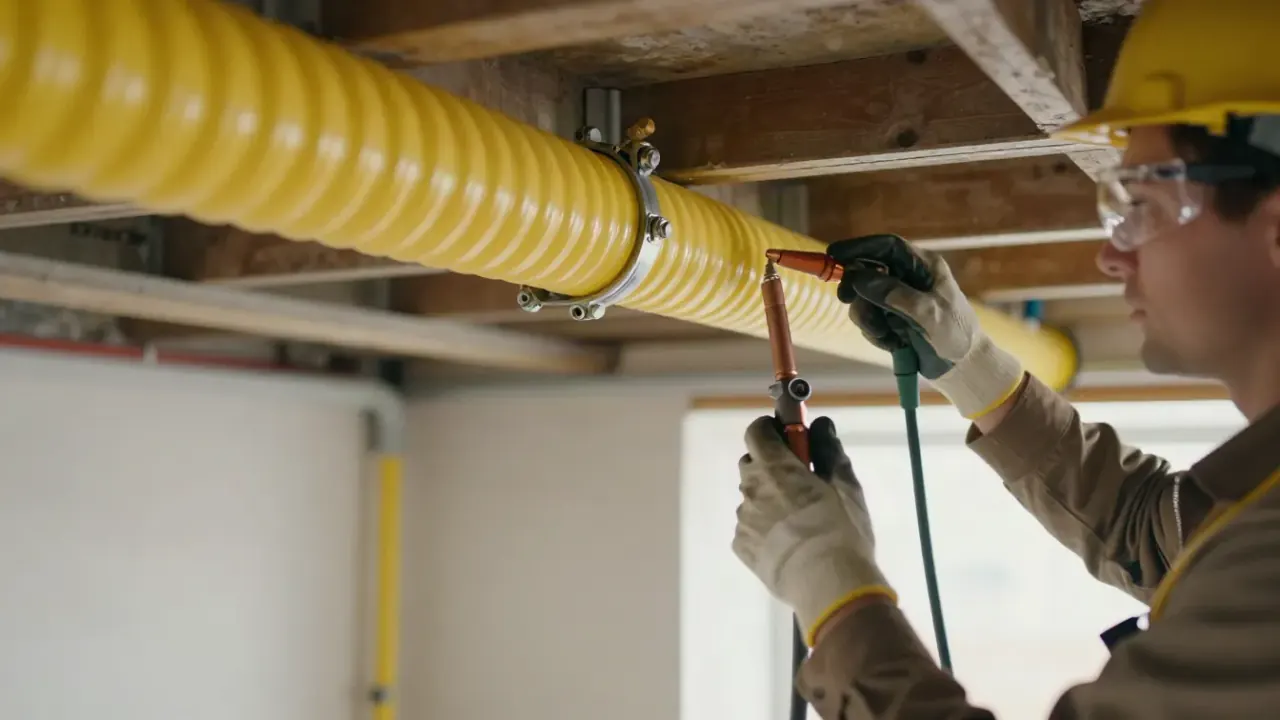
Gas Line Repair in Missouri City: finished, neatly installed yellow corrugated stainless steel tubing (CSST) gas line run

Why Missouri City Businesses Call Us

Commercial gas work rewards the contractor who plans like an operator, not just a pipefitter.

  • Scheduled around your revenue

    We plan shutdowns for your slowest hours, pre-stage every fitting, and phase larger jobs — because a gas project that costs you a weekend of sales was not actually cheap.

  • Permits handled, inspections passed

    We pull commercial permits, meet the inspector with the code book open, and hand you documentation that protects the property's value at resale or lease renewal.

  • Load math before pipe

    Every commercial job gets a real BTU load calculation against the existing meter, regulators, and pipe. You see the numbers before you approve the work.

  • Storm-season aware

    We build for Fort Bend County realities — humidity-rated exterior materials, flood-conscious routing, and pre-season inspections that keep you running when weather turns.

Our Expertise in Gas Line Repair

Gas work rewards the careful and punishes the hurried. Our technicians work Missouri City gas systems every day — the same clay soil, the same housing stock, the same Gulf Coast weather — and that repetition builds judgment you cannot get from a manual.

  • Licensed technicians trained specifically in gas piping, leak detection, and pressure testing.
  • Daily experience across Fort Bend County housing — from 1970s originals to new master-planned builds.
  • Work performed to the National Fuel Gas Code and local requirements, permitted and inspected.
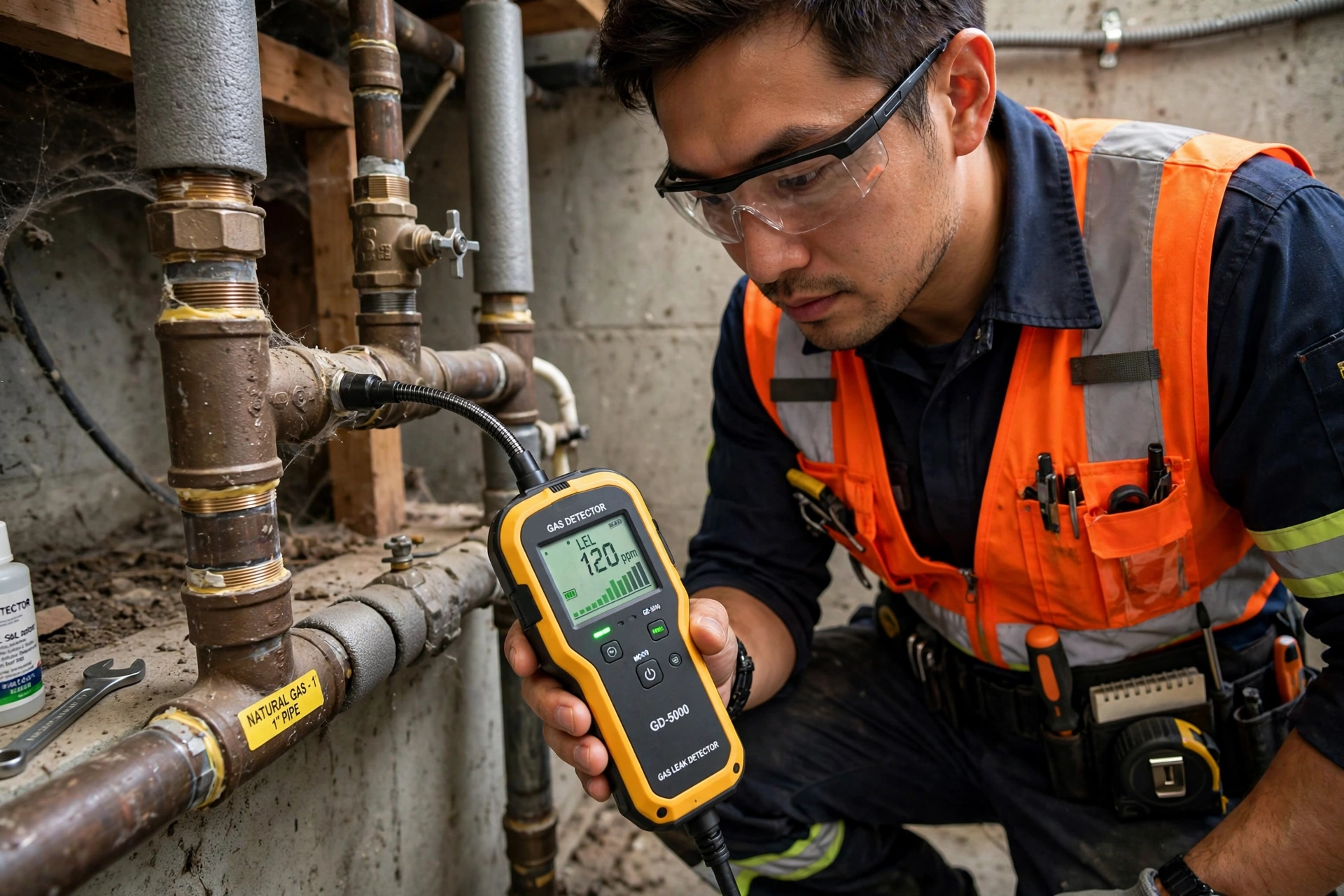
  • Professional-grade detection and calibrated test equipment on every visit — we measure, not guess.
Get Started Today
Gas Line Repair in Missouri City: licensed gas fitter, wearing safety glasses, using a large pipe wrench to tighten a fitting

What Our Customers Say

Real experiences from customers who chose our Gas Line Repair services.

"Helpful guidance and uncomplicated service from first contact to job completion."

"Everything was described in everyday terms and handled carefully."

"Easy to reach, easy to schedule, and the visit went as planned."

Frequently Asked Questions

How is commercial gas line work different from residential work?

Scale, regulation, and operational impact. Commercial systems carry far higher BTU loads — one restaurant kitchen can out-draw a whole block of homes — so pipe sizing, meter capacity, and regulator selection are more critical. Commercial work also requires permits and inspections in most Fort Bend County jurisdictions, and it has to be scheduled around business operations because downtime costs money.

Can you do the work overnight or on weekends so we do not lose business?

Yes — off-hours scheduling is standard for our commercial work. Restaurants are typically serviced overnight or on closed days, offices on weekends, and retail in the early morning before opening. We scope everything in advance and pre-stage materials so the actual shutdown window is as short as possible.

Do commercial gas projects need permits and inspections?

In most Southeast Texas municipalities, yes. Commercial gas piping work requires a building permit, and the finished work must pass inspection before service is restored. We handle the permit application and coordinate inspection timing as part of the project.

We are adding new gas equipment. Will we need bigger pipe or a new meter?

Possibly — it depends on whether the current system has spare capacity. Every appliance adds BTU load, and the pipe, regulators, and meter must handle the new total at peak demand. We run a load calculation from your equipment list and check it against existing capacity, then show you exactly what needs upgrading and why.

What happens if our gas system fails a health-department or building inspection?

Bring us the correction notice. We fix each flagged item to code, document the corrections, and coordinate the re-inspection. Most common write-ups — supports, shutoffs, protection — are straightforward once you know what the inspector wants to see.

How should we prepare our gas system for hurricane season?

Have the outdoor piping, meter bank, and supports inspected before storm season — loose or corroded exterior components are what fail in high water and wind. After any major storm or flooding, get the system pressure-tested before restoring full service.

Do you work on multi-tenant and multi-unit buildings?

Yes. Shared risers, master meters, long branch runs, and coordinating access across occupied units are familiar territory. We work with property managers on tenant notification and scheduling so the job moves smoothly.
Keep Your Business Running on Gas That Works

Whether it is a restaurant kitchen that cannot afford a weak Friday rush, an office building due for inspection, or a retail strip adding tenants — commercial gas work done right protects your revenue and your property. Call (281) 343-3759 for a site survey and a written scope, scheduled around your hours.

Call Now Request Service

Get in Touch with Us

Tell us about your building and what the gas system needs — new equipment, a failed inspection, an expansion, or just a system you have never quite trusted. We will respond during business hours with next steps.

Or call us right now at (281) 343-3759 — we answer.

Gas Line Repair Missouri City TX


  • Address

    2209 Texas Pkwy, Missouri City, TX 77489, USA, Missouri City, Texas

  • Hours

    Mon–Fri: 7AM – 7PM
    Sat: 8AM – 4PM
    Sun: Emergency Only
    24/7 Emergency Available

Call (281) 343-3759 Get Quote
Call Quote