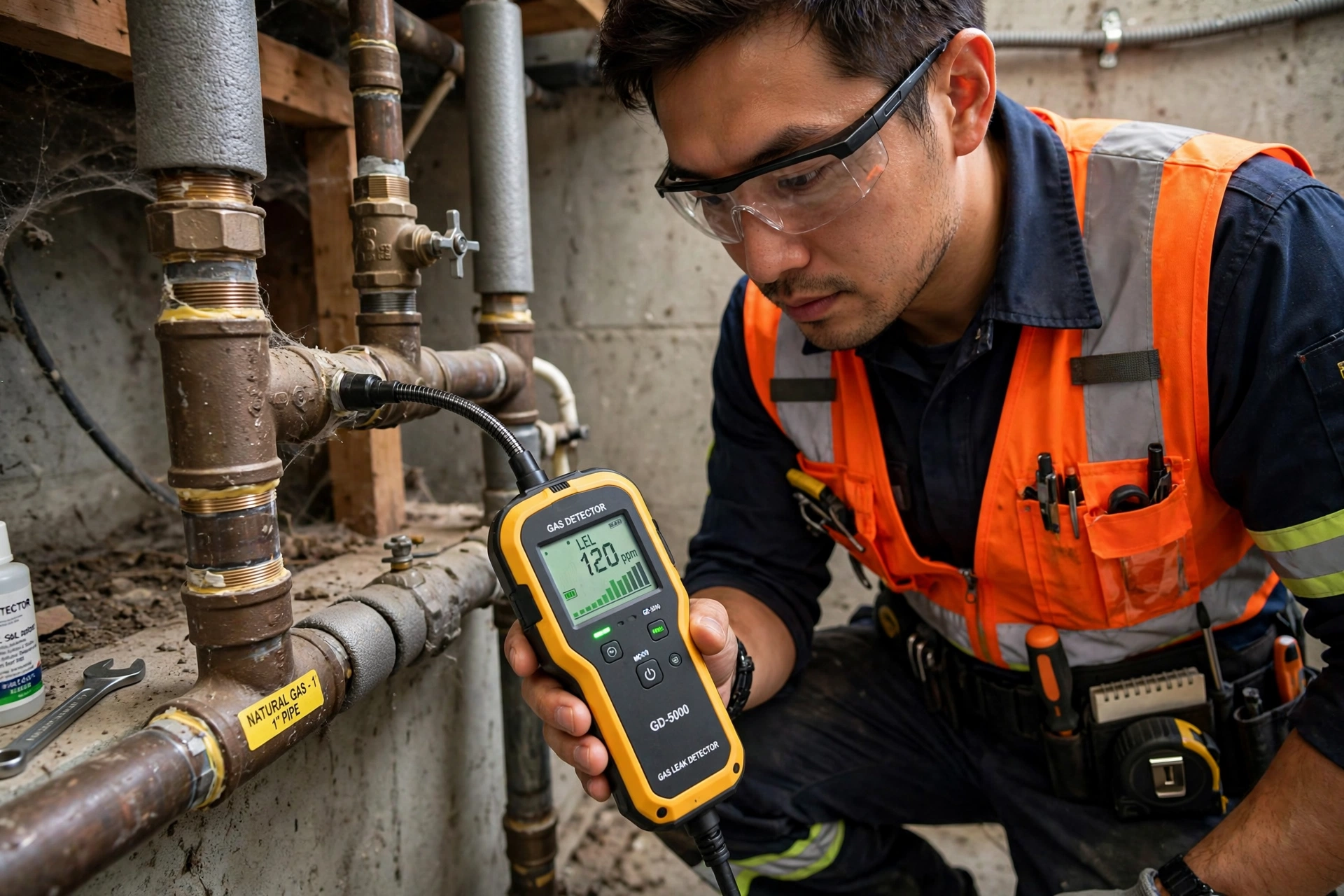
Thorough Inspections
We conduct detailed inspections to identify any issues with your gas lines, ensuring that all potential problems are addressed.
Our gas line repair service includes comprehensive inspections, repairs, and necessary replacements to ensure your gas lines are safe and functional.
We conduct detailed inspections to identify any issues with your gas lines, ensuring that all potential problems are addressed.
Our team specializes in repairing leaks, using high-quality materials to ensure a long-lasting solution.
We ensure all repairs comply with local codes and safety regulations, providing peace of mind for homeowners.
After repairs, we perform safety tests to ensure your gas lines are leak-free and functioning correctly.
If you ever suspect a gas leak — the rotten-egg smell, a hissing sound, sudden dead vegetation in a strip across the yard — your response in the first minutes matters most. The correct sequence is simple: don’t investigate, don’t create sparks, get out, and call from a safe distance.
Equally important is what not to do. Do not flip light switches or operate any electrical devices, including phones, flashlights, and garage door openers. Do not light matches, candles, or cigarettes. Do not start a vehicle in an attached garage. Any of these can supply the spark that turns leaking gas into a far worse event.
After the immediate danger is resolved, the utility will typically shut off the gas and make the area safe — but repairing the leaking pipe on your side of the meter is the homeowner’s job. That starts with professional gas leak detection to find the exact source, followed by proper repair and pressure testing before service is restored.
The most dangerous mistakes during a suspected leak all involve creating sparks or flames: flipping switches, using phones indoors, lighting anything, starting cars, or re-entering the building to grab belongings. Ventilating by opening doors on your way out is fine if it costs no time — but never delay leaving to open windows, and never go back inside until professionals declare it safe.
Your gas appliances — furnace, water heater, stove, dryer, fireplace — are safe when properly installed, vented, and maintained, and most appliance incidents trace back to one of those three being neglected. Give them the same routine attention you give the rest of the house, and they will return the favor with years of uneventful service.
Pay attention to burner flames. A healthy gas burner produces a steady blue flame. Yellow, orange, or flickering flames, soot buildup around burners, or unusual odors during operation all suggest incomplete combustion or a ventilation problem — signs that the appliance needs professional attention, not continued use.
Never use gas appliances for purposes they were not designed for. Do not heat your home with a gas oven or stovetop — ovens are not designed to run for hours and can produce dangerous carbon monoxide. Never bring outdoor gas equipment — grills, patio heaters, portable generators — indoors or into a garage, even with the door open. And never use a gas-powered generator inside or near the home; place it well away, with exhaust pointed away from windows and doors.
Combustion appliances need fresh air for proper burning and a clear path to exhaust combustion gases outside. Blocked vents — from lint, bird nests, or storm debris, which is worth checking after every Gulf Coast storm season — starve the burner and can push exhaust back into the living space. Keep flues, vents, and combustion-air openings clear, and never seal a utility room airtight around a fuel-burning appliance.
Striking an underground gas line while digging is one of the most common causes of gas emergencies — and one of the most preventable. The call is free, the locate service is free, and the few days of planning it requires are nothing compared to the consequences of hitting a pressurized line with a shovel, an auger, or a backhoe.
This applies to surprisingly shallow work. Gas service lines are often buried only a foot or two deep — well within reach of fence post holes, mailbox installations, tree planting, and drainage projects. Fort Bend County’s hard clay tempts homeowners to bring in powered augers and trenchers for even modest projects, which makes calling first even more important: mechanized digging turns a near-miss into a rupture.
Homeowners are often surprised by how shallow utilities run — and gas is not the only thing down there. Your yard may also hold electric, water, sewer, and telecommunications lines, each at its own depth, and depths vary with the age of the installation and changes in grading over the years. The locate marks show the approximate path, not the exact depth; always hand-dig carefully within the marked tolerance zone rather than assuming you know how deep things are.
01
What we do: Contact us immediately for gas line repair in Missouri City. Our technicians will locate and fix the leak quickly.
→ This ensures your home is safe and eliminates the risk of gas exposure.
02
What we do: Our team will inspect the gas lines and connections to identify any issues affecting performance.
→ You'll enjoy improved efficiency and reliability from your gas appliances.
03
What we do: We provide gas line servicing in Missouri City to ensure safe and efficient installations.
→ This guarantees that your new appliances operate safely and effectively.
Gas Line Repair in Missouri City requires an understanding of local building codes and common issues faced by residents. The humid climate can lead to corrosion in gas lines, making regular inspections essential. Our team is familiar with the unique challenges of the area, ensuring effective and compliant repairs. With gas line servicing in Missouri City, we address issues promptly to maintain safety and efficiency.
Bridlewood
This neighborhood often experiences gas line issues due to older infrastructure.
Parker Square
Residents here benefit from our prompt gas line repair services, especially during extreme weather.
Lake Forest
We provide thorough inspections to ensure safety in homes with aging gas lines.
High humidity levels in summer
This can accelerate corrosion in gas lines, necessitating regular inspections and repairs.
Frequent temperature fluctuations in winter
These fluctuations can lead to pipe expansion and contraction, increasing the risk of leaks.
Our gas line repair services address common issues that can pose risks to your home and family.
Problem
Ignoring gas leaks can lead to dangerous situations, including explosions or health hazards from inhalation.
Our Fix
Our team quickly identifies and repairs leaks, ensuring your gas lines are safe and compliant with local regulations.
Problem
Faulty connections can lead to inefficient appliance operation and increased energy costs.
Our Fix
We repair and replace faulty connections, improving appliance efficiency and reducing energy bills.
Problem
Pressure drops can affect appliance performance, leading to inadequate heating or cooking.
Our Fix
We diagnose and fix pressure issues, ensuring your gas appliances operate at optimal levels.
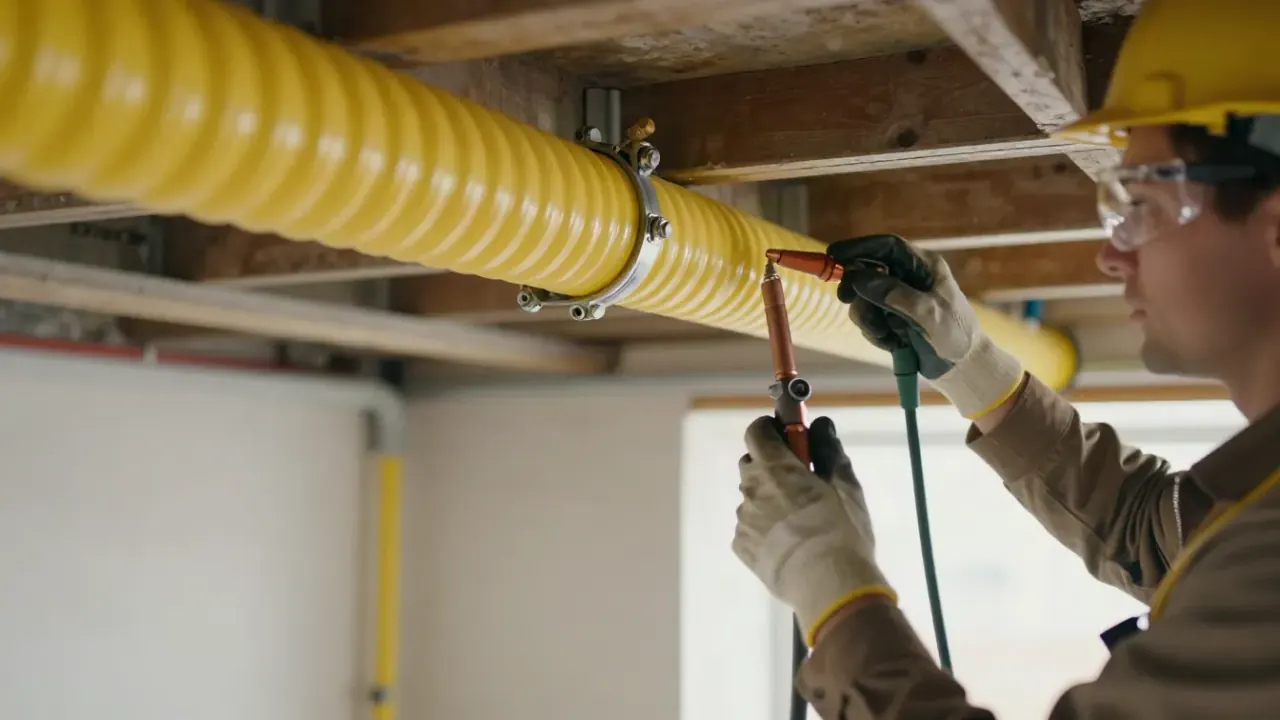
Investing in gas line repair offers numerous advantages that enhance safety and efficiency.
Enhanced Safety
Regular gas line repair significantly reduces the risk of dangerous gas leaks. By addressing potential issues early, homeowners can prevent hazardous situations and ensure their family's safety.
Increased Efficiency
Properly functioning gas lines improve the efficiency of your appliances. This can lead to lower energy bills and a more effective heating system, especially during the colder months in Missouri City.
Longer Lifespan
Timely gas line servicing in Missouri City can extend the lifespan of your gas appliances. By addressing wear and tear, you ensure that your systems function optimally for years.
Compliance with Codes
Gas line repairs ensure compliance with the National Fuel Gas Code (NFGC) and local regulations. This is crucial for avoiding fines and ensuring your home passes inspections.
Gas line repair costs in Missouri City typically range from $180 to $450 in 2026, depending on the complexity of the repair. Factors such as the extent of damage, materials used, and labor involved can affect the final price. Our transparent pricing ensures you know what to expect before we start any work.
Typical Investment Range
$180 - $450 depending on scope
Our pricing reflects the quality of service and materials used, ensuring long-lasting repairs.
What changes the price
Extent of Damage
More extensive damage requires more materials and labor, increasing costs.
Materials Used
The type of piping and fittings required can impact the overall repair cost.
Labor Intensity
Complex repairs that require more time and expertise will cost more.
Google ★★★★★4.9
Quick response and professional service! They fixed my gas leak within hours. Highly recommend!
Yelp ★★★★★4.8
Excellent service! The team was knowledgeable and friendly. They explained everything clearly.
BBB ★★★★★4.7
Very satisfied with the gas line repair. They were prompt and thorough in their work.
With local experience in gas line repair, our team is equipped with the necessary skills and certifications to handle any gas-related issue.
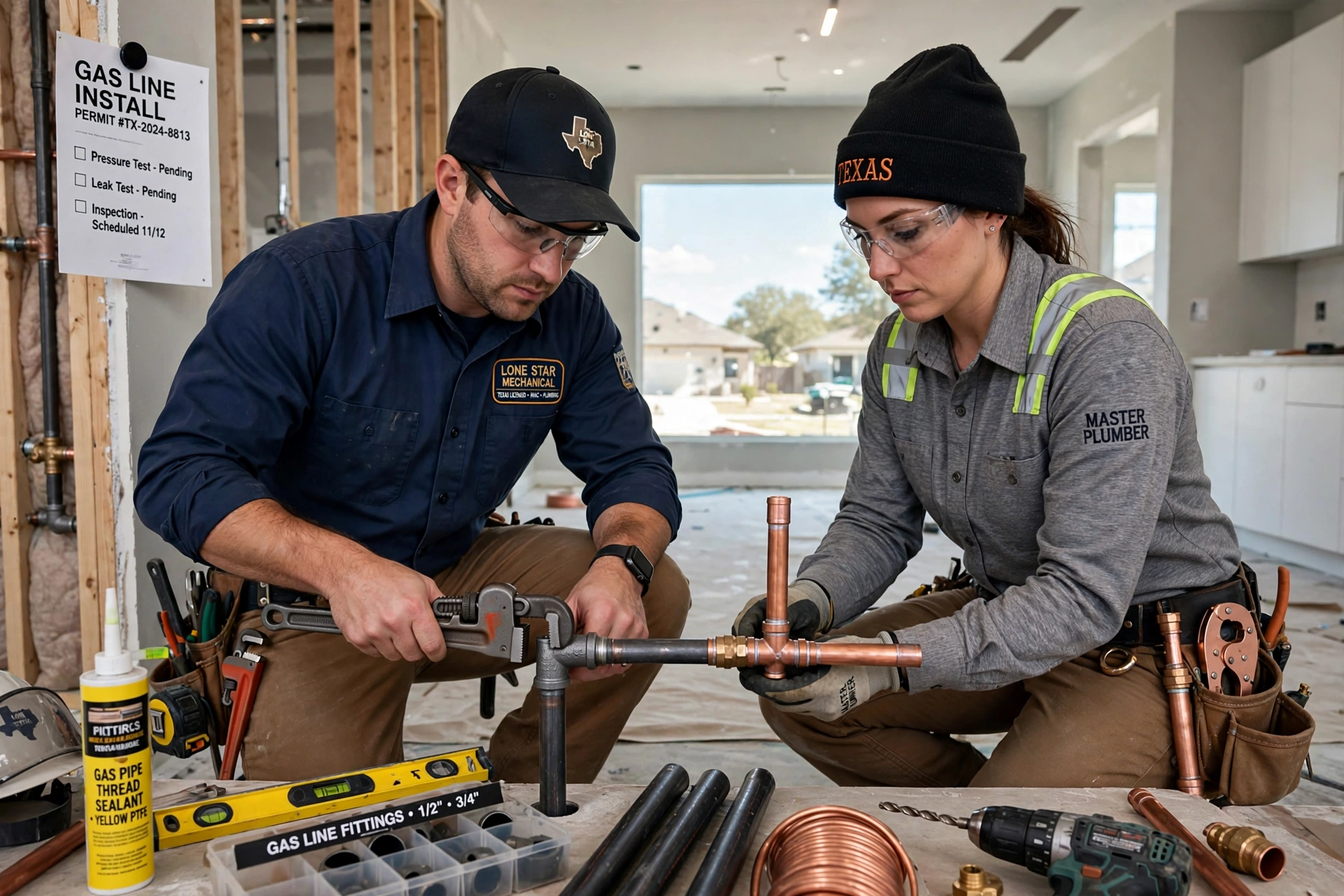
Real experiences from customers who chose our Gas Line Repair services.
“I had a gas leak in my home, and the team responded quickly. They were professional and resolved the issue within hours. Highly recommend!”
Sarah T.
Homeowner, Missouri City
“Their gas line repair service was excellent. They explained everything and worked efficiently. I felt safe knowing my gas lines were in good hands.”
Mark L.
Business Owner, Lewisville
“I appreciated their 24/7 emergency service. When I had a problem late at night, they were there within an hour. Great service!”
Emily R.
Resident, Highland Village
The main shutoff is usually at the gas meter — often on an exterior wall of the house or in a meter box near the property line — on the inlet side of the meter assembly. Look for a valve with a rectangular tab that takes a wrench. Keep it visible and accessible: trim plants away from it and don’t bury it in mulch or stack storage against it.
A combustible-gas detector adds a useful layer of protection, especially near the furnace, water heater, or in homes with many gas appliances. It complements — but does not replace — your nose, your CO detector, and the safety habits in this guide. Follow the manufacturer’s placement guidance, since proper location affects how quickly these devices respond.
Many gas appliances — stoves, fireplaces, some water heaters — work fine without electricity, but anything with electronic ignition or powered controls may not function. Never improvise: don’t heat the house with the oven, don’t bring outdoor gas equipment inside, and remember that running a generator too close to the home creates a carbon monoxide risk even when the lights are out.
811 is the national call-before-you-dig number. When you call or submit a request online, the notification goes to local utilities, which send locators to mark their buried lines — typically within a few business days, at no charge to you. Wait for all the marks, respect them, and hand-dig carefully near marked lines. The paint and flags are approximate, so caution near them is still required.
Follow the manufacturer’s guidance for each appliance, but a common rule of thumb is annual servicing for furnaces and boilers, and periodic checks for water heaters, fireplaces, and other fuel-burning equipment. Regular service keeps combustion clean and efficient, catches worn parts early, and creates a service record that helps with future decisions.
Treat an outdoor gas odor the same way you would an indoor one: do not investigate the source, do not start vehicles or operate equipment nearby, and move away — ideally upwind. Call your gas utility’s emergency line or 911 from a safe distance. Outdoor leaks can travel along underground paths and enter buildings, so even a smell in the open air deserves an immediate, cautious response.
Our gas line installation service ensures your new gas lines are installed safely and comply with local codes, providing reliable service for your home.
View Gas Line InstallationRegular gas line inspections help identify potential issues before they become serious problems, ensuring the safety and efficiency of your gas systems.
View Gas Line InspectionOur gas leak detection service uses advanced technology to locate leaks quickly, preventing hazardous situations and ensuring your home's safety.
View Gas Leak DetectionWe provide professional gas appliance hookup services, ensuring your appliances are connected safely and function optimally for your home.
View Gas Appliance HookupWe're here to help you with your gas line needs. Reach out during business hours for quick responses and assistance.
Phone
(281) 343-3759Address
2209 Texas Pkwy, Missouri City, TX 77489, USA, Missouri City, Texas
Hours
Mon–Fri: 7AM – 7PM
Sat: 8AM – 4PM
Sun: Emergency Only
24/7 Emergency Available